

Stained Teeth Treatment in Beverly Hills
Stained teeth treatment in Beverly Hills at ConfiDental starts with finding out why your teeth are discolored, because surface stains from coffee or wine respond to cleaning and whitening, while deeper stains from medications, fluorosis, an old injury or a root canal need a different approach. Dr. Liyan Massaband, DMD, MPH, matches the treatment to the type of stain, from professional whitening and microabrasion to bonding or porcelain veneers, and gives you a clear cost before you decide.
What Type of Tooth Discoloration Do You Have?
Discoloration falls into three broad groups. Cleveland Clinic describes them as extrinsic (on the surface), intrinsic (inside the tooth) and age-related.
Type | What it looks like | Common causes | Responds to whitening? |
Extrinsic (surface) | Yellow or brown film, stains between teeth | Coffee, tea, red wine, smoking, some mouthwashes | Usually yes, after a cleaning |
Age-related | Overall yellowing | Thinner enamel showing yellow dentin | Usually yes |
Intrinsic (inside the tooth) | Grey, blue-grey or brown bands | Tetracycline or doxycycline in childhood, other medicines | Often only partly |
Fluorosis or enamel spots | White or brown spots or streaks | Too much fluoride in childhood, enamel defects | Not well; spots may look whiter at first |
White spots after braces | Chalky white patches near the gum | Early enamel weakening around brackets | Not well on their own |
Single dark tooth | One grey or brown tooth | Injury, a dead nerve, an old root canal | Not with normal whitening |
Old fillings or crowns | Grey edges or mismatched color | Old metal or stained composite | No; they need replacing |
The American Dental Association notes that yellow teeth usually whiten well, brown teeth may not respond as well, and grey teeth may not whiten at all. Whitening also does not change the color of fillings, crowns or veneers.
What Causes Tooth Staining?
Tooth stains can develop for many reasons and often build up gradually. Common causes include certain foods and drinks, aging, medications, and lifestyle habits.
Understanding the source of staining helps guide treatment and ensures results look even and natural, rather than overdone.
Surface Stains vs Deep Tooth Discoloration
Some stains affect the outer enamel and respond well to whitening treatments. Other stains develop deeper within the tooth and may require alternative cosmetic approaches.
Deep discoloration may require cosmetic solutions such as Dental Veneers or Dental Crowns for balanced results.
Treatment Options, From Gentlest to Most Involved
1. Professional Cleaning
Much surface discoloration, especially between the teeth and near the gums, comes off with a cleaning and polish. It is always the first step, and a dental exam rules out decay that can look like a stain.
2. Professional Whitening
For yellow or surface stains, in-office whitening or custom take-home trays can brighten teeth by several shades. See our teeth whitening page for the details, or compare at-home vs professional whitening.
3. Microabrasion
A gentle polishing paste removes a very thin surface layer of enamel to reduce shallow white or brown spots, such as mild fluorosis. It is quick and often combined with whitening.
4. Resin Infiltration for White Spots
A fluid resin soaks into white spots, such as those left after braces, so they blend with the rest of the tooth, usually without drilling.
5. Internal Bleaching for a Single Dark Tooth
A tooth that has turned grey after an injury or a root canal can often be lightened from the inside. The whitening material is placed inside the tooth for a few days and changed as needed. The tooth must have a healthy, completed root canal first.
6. Dental Bonding
Tooth-colored composite is layered over a stain or spot to mask it, often in a single visit. Bonding uses the same material as our tooth-colored fillings. It is a good option for one or two teeth or small areas.
7. Porcelain Veneers
For deep grey or tetracycline staining that whitening cannot lighten, porcelain veneers cover the front of the teeth with a new, stain-resistant surface. Very dark stains may need a more opaque material.
8. Crowns
When a stained tooth is also weak, heavily filled or cracked, a crown fixes both the color and the strength.
What Are the Benefits of Stained Teeth Treatment?
Professional stained teeth treatment offers transformative results that go beyond aesthetics, enhancing overall well-being. Here are key advantages:

Boosts Confidence
Creates a radiant smile that makes you feel more approachable in social and professional interactions.

Improves Oral Health
Removes surface buildup that can harbor bacteria, reducing the risk of plaque and minor decay.
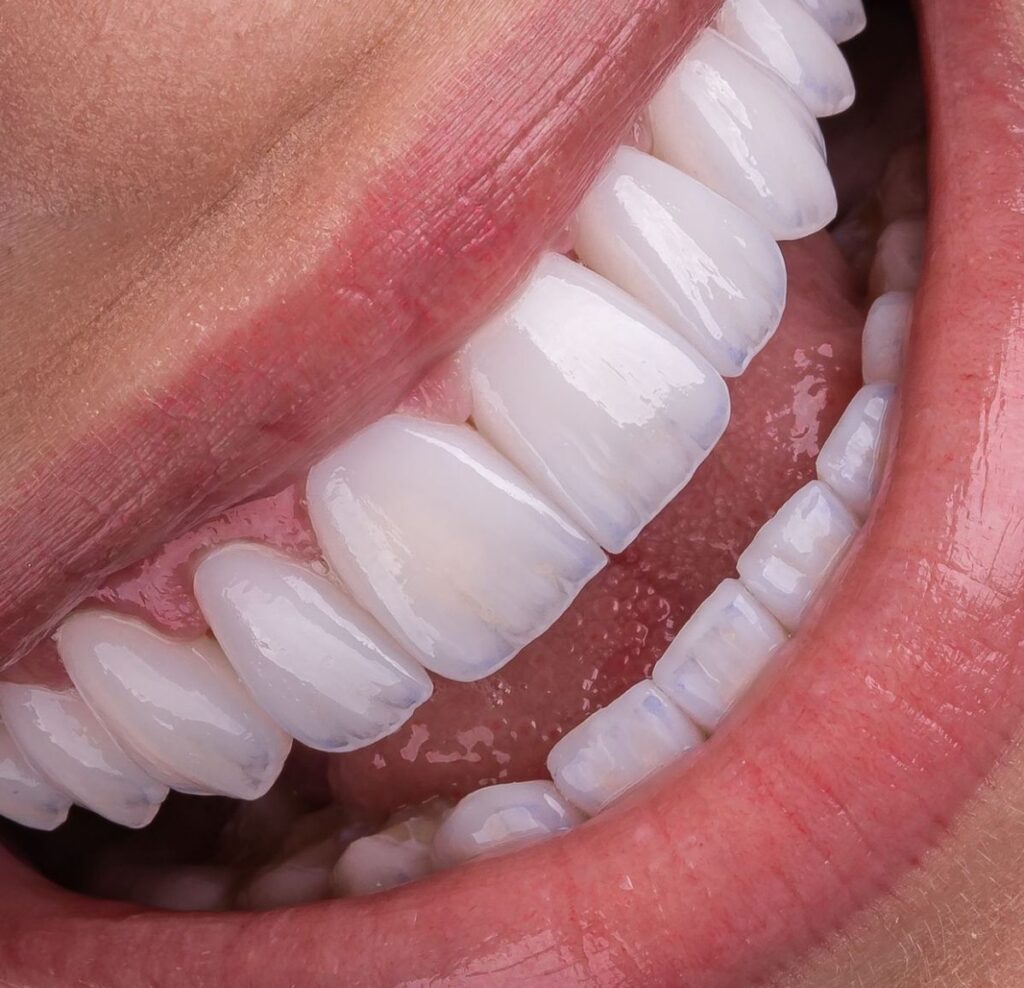
Provides Long-Lasting Effects
Often maintains whiteness for one to three years with proper care, such as avoiding staining foods.

Delivers Quick, Dramatic Whitening
Can make teeth up to eight shades lighter, far surpassing over-the-counter options.

Enhances Facial Appearance
Makes teeth look healthier and more youthful without invasive procedures.

Cost-Effective
More affordable than alternatives like veneers, with personalized plans tailored to your lifestyle.
Which Treatment for Which Stain?
Your stain | Often the best first option | If that is not enough |
Coffee, tea, wine, smoking | Cleaning, then whitening | Bonding or veneers for stubborn spots |
Overall yellowing with age | Whitening | Veneers |
Grey or banded (tetracycline) | Trial of extended whitening | Veneers |
Mild fluorosis spots | Microabrasion and whitening | Bonding or veneers |
White spots after braces | Resin infiltration or microabrasion | Bonding |
One dark tooth after injury or root canal | Internal bleaching | Veneer or crown |
Dark edges on old fillings or crowns | Replace the filling or crown | Veneers if several teeth are involved |
Many people combine treatments, for example whitening first, then bonding or veneers matched to the new shade. If several teeth need work, a smile makeover plans them together.

Why Some Stains Come Back and How to Prevent Them
- Rinse with water after coffee, tea or red wine, and use a straw for iced drinks
- Brush twice a day and clean between your teeth, where stains often start
- Keep regular cleanings to remove surface stain before it builds up
- Stop smoking or vaping
- Ask us about any medicine or mouthwash you use; some, such as chlorhexidine rinses, can stain teeth
- Use custom trays for occasional whitening touch-ups
Ready-made toothpastes and home remedies can help with light surface stain, but abrasive or acidic “natural” remedies can wear enamel and make teeth look more yellow over time. Our guide on maintaining cosmetic results has more tips.

Stained Teeth Treatment Cost in Beverly Hills
Treatment | Typical cost |
Professional cleaning and polish | [CONFIRM] |
In-office whitening | $400 to $700 |
Custom take-home whitening trays | $250 to $450 |
In-office plus trays for deeper stains | $800 to $1,500 |
Microabrasion, per tooth or area | [CONFIRM] |
Internal bleaching, one tooth | [CONFIRM] |
Dental bonding, per tooth | $300 to $600 |
Porcelain veneer, per tooth | $1,500 to $2,500 |
Crown, per tooth | $1,200 to $2,000 |
Cosmetic stain treatment is usually not covered by insurance. Cleanings, replacing a leaking filling or a crown on a damaged tooth may be partly covered. See understanding dental insurance and payment options.


Why Choose ConfiDental Beverly Hills for Stained Teeth Treatment
Dr. Liyan Massaband | Confidental Beverly hills
Dr. Liyan Massaband, DMD, MPH earned her Doctor of Dental Medicine from Midwestern University and her Master of Public Health from the University of Southern California, and is licensed by the Dental Board of California. She has practiced in Beverly Hills for more than 15 years. Her approach is to find the cause first and start with the gentlest treatment that will work, so you do not pay for veneers when whitening would do.
Read Dr. Massaband’s full profile.
Patient Stories
Real experiences shared by patients reflect comfort, trust, and positive outcomes built over time through consistent care and open conversations with our dental team.
Why people love Confidental Beverly hills
Patients often mention how clearly things are explained, how gently visits are handled, and how supported they feel before and after appointments. Many reviews highlight feeling heard, not rushed, and genuinely cared for.
Book a Stain Consultation
If you’re looking for stained teeth treatment near you, our Beverly Hills location offers convenient access for consultations, treatment, and follow-up visits.
Convenient Care in the Heart of Beverly Hills
We serve Beverly Hills and nearby communities, helping patients maintain bright smiles without needing urgent visits to an Emergency Dentist.
Stained Teeth FAQs
Why won’t whitening remove my stains?
Whitening works best on yellow surface stains. Deeper tooth discoloration behaves differently. Grey or banded stains from medicines, white spots, fluorosis and a single dark tooth often need microabrasion, internal bleaching, bonding or veneers instead.
What causes grey teeth?
Common causes are tetracycline or doxycycline taken in childhood, an old injury, a tooth whose nerve has died, or old metal fillings showing through the enamel.
Can a single dark tooth be fixed?
Often, yes. If the tooth has had a root canal, internal bleaching can lighten it from the inside. Otherwise, bonding, a veneer or a crown can match it to the other teeth.
How do you get rid of white spots on teeth?
Mild white spots can be improved with microabrasion or resin infiltration. Larger or deeper spots can be covered with bonding or a veneer. Whitening alone can make white spots stand out more at first.
How do I get rid of stains between my teeth?
A professional cleaning usually removes them. If they come back quickly, they may be early decay or a leaking filling, which we check on X-rays.
Can stained teeth be a sign of a problem?
Sometimes. A tooth that turns grey can mean the nerve has died, and brown spots can be decay. That is why we check before any cosmetic treatment.
Can medicines or mouthwash stain teeth?
Yes. Some antibiotics taken in childhood, iron supplements and chlorhexidine mouthwash can stain teeth. Tell us what you take so we can plan around it.
Is stained teeth treatment covered by insurance?
Cosmetic treatment usually is not. Cleanings and replacing damaged fillings or crowns may be partly covered.
How long do the results last?
Whitening often lasts from months to a few years, depending on habits. Bonding often lasts several years, and porcelain veneers 10 years or more with good care.