

The short answer
Yes. Regular professional cleanings, combined with daily brushing and flossing, are one of the most effective ways to prevent gum disease. A cleaning removes hardened tartar you can't brush off, and it can reverse gingivitis, the early stage. What a routine cleaning can't do is cure periodontitis, where bone has started to break down. That needs a deep cleaning and maintenance visits every three to four months.
- Gum disease is common: the CDC reports that about 42% of adults aged 30 and older have periodontitis.
- Plaque you miss hardens into tartar within days, and only a professional cleaning removes it.
- Gingivitis is reversible. Periodontitis can be controlled, but lost bone doesn't grow back on its own.
- Bleeding gums are not normal. They're usually the first warning sign.
How gum disease starts
It begins with plaque, the sticky bacterial film that forms on teeth every day. Plaque sitting along the gum line irritates the gum. Left alone, it hardens into tartar, which gives bacteria a rough, protected place to live, including just under the gum where a toothbrush can't reach.
| Stage | What's happening | Reversible? |
|---|---|---|
| Healthy gums | Pink, firm gums; pockets about 1 to 3 mm deep | Keep it that way |
| Gingivitis | Red, puffy gums that bleed when you brush; no bone loss | Yes, with cleanings and good home care |
| Early periodontitis | Pockets deepen to about 4 to 5 mm; bone starts to break down | Can be stopped; lost bone doesn't return on its own |
| Moderate to advanced periodontitis | Deeper pockets, recession, loose teeth | Can be managed; teeth may be lost if untreated |
The National Institute of Dental and Craniofacial Research notes that early gum disease can often be reversed with daily brushing and flossing plus professional care, while advanced disease needs deeper treatment.
How a professional cleaning prevents gum disease
- It removes tartar from above and just below the gum line, which no toothbrush can do.
- It disrupts bacteria in the places people miss: behind the lower front teeth and around the back molars.
- It smooths the tooth surface so new plaque has a harder time sticking.
- It measures your gums. Gently probing the pocket around each tooth picks up gum disease long before you'd notice it.
- It resets your home care. We show you where plaque is building and which tools will help.
A cleaning is always paired with a dental exam, so your gums, teeth and X-rays are checked together.
What a regular cleaning can't do
A routine cleaning works on the tooth above the gum and a little below it. Once gum disease has created deep pockets, tartar and bacteria sit far down on the root, out of reach. At that stage you'll need one or more of the following.
- A deep cleaning (scaling and root planing): cleaning the root surfaces under the gum, usually with local anesthetic. It's the first-line treatment for mild to moderate periodontitis. Read more about scaling and root planing.
- Periodontal maintenance: cleanings every three to four months to keep the disease stable.
- Further treatment for advanced cases, such as laser gum therapy, gum surgery or grafting for receding gums.
Regular cleaning vs. deep cleaning vs. periodontal maintenance
| Regular cleaning | Deep cleaning | Periodontal maintenance | |
|---|---|---|---|
| For | Healthy gums or mild gingivitis | Periodontitis with deeper pockets | People treated for gum disease |
| Cleans | Above and just below the gum line | Deep on the root surfaces | Around and below the gum line, including pockets |
| Numbing | Usually not needed | Usually local anesthetic | Sometimes |
| How often | Usually every 6 months | Once, often over two visits | Usually every 3 to 4 months |
How often should you get a dental cleaning?
Every six months suits most people with healthy gums and low risk. We usually suggest every three to four months if tartar builds quickly, gingivitis keeps returning or you've been treated for periodontitis. Diabetes, smoking, pregnancy and dental implants often call for visits every three to six months. We set the interval based on what your gums are doing, not the calendar.
Warning signs of gum disease
- Gums that bleed when you brush or floss
- Red, swollen or tender gums
- Bad breath or a bad taste that doesn't go away
- Gums pulling back and teeth looking longer
- Loose or shifting teeth, or a bite that feels different
- Pus between the teeth and gums
Early gum disease is usually painless, which is exactly why regular checkups catch it when you wouldn't.
What happens at a preventive cleaning
- Health review Medications and conditions such as diabetes or pregnancy affect your gums.
- Gum measurements with a thin probe around each tooth.
- Scaling with hand instruments and, often, an ultrasonic scaler.
- Polishing to smooth and clean tooth surfaces.
- Fluoride when it's useful for you.
- Coaching on where plaque is being missed.
Most cleanings take 45 to 60 minutes and are comfortable. If your gums are sensitive, tell us and we'll slow down or numb the area.
Your part at home
Cleanings only work if the days in between are covered. Brush twice a day for two minutes with a soft brush angled toward the gum line, clean between your teeth daily with floss, interdental brushes or a water flosser, and use an antimicrobial rinse if we've suggested one. If you smoke, stopping is the biggest single step you can take for your gums, according to the NIDCR. Our guide to removing plaque at home has step-by-step tips.
Who needs extra care?
- Pregnancy. Hormones make gums more likely to swell and bleed. Cleanings are safe during pregnancy, and the second trimester is often the most comfortable time.
- Diabetes. Gum disease and blood sugar affect each other, so more frequent cleanings are often recommended.
- Smoking. It can hide bleeding, so disease may be further along than it looks.
- Dental implants. Implants can develop a similar gum and bone infection called peri-implantitis, so regular cleanings around them matter.
- Braces or aligners, and anyone with a family history of gum disease.
Gum health and the rest of your body
Research has linked gum disease with diabetes and heart disease. These are associations, and researchers are still working out how much one drives the other. What's clear is that gum disease is easier to prevent than to treat.
Cleaning costs and insurance
Most dental plans cover two routine cleanings and exams a year, often in full. Deep cleanings and periodontal maintenance are usually covered at a different rate. We check your benefits before your visit; our page on dental insurance lists the plans we work with.
When to see a dentist
Book a visit if your gums bleed, look swollen, have started to recede, or if it's been more than six months since your last cleaning. At ConfiDental Beverly Hills, every cleaning includes gum measurements and an exam by the dentist, so gum disease is caught early, when it's simplest to reverse. If we find deeper pockets, we'll explain what we see and talk through gum disease treatment with a written plan. Call (310) 858-9212 or book a cleaning.
References
- Centers for Disease Control and Prevention. Gum Disease Facts.
- National Institute of Dental and Craniofacial Research. Periodontal (Gum) Disease.
This article is for general education and is not a substitute for an examination.
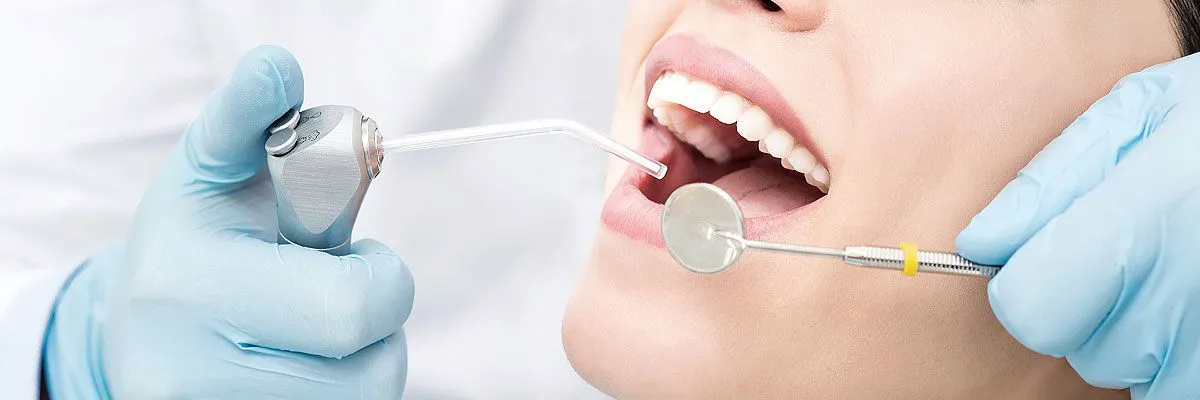 The treatment this relates toDeep Dental Cleanings in Beverly HillsScaling and root planing that clears bacteria below the gumline to halt gum disease.Read about deep dental cleanings
A question about your own teeth? Every mouth is different, and an article can only go so far. Book a consultation at our Brighton Way office or call (310) 858-9212.