
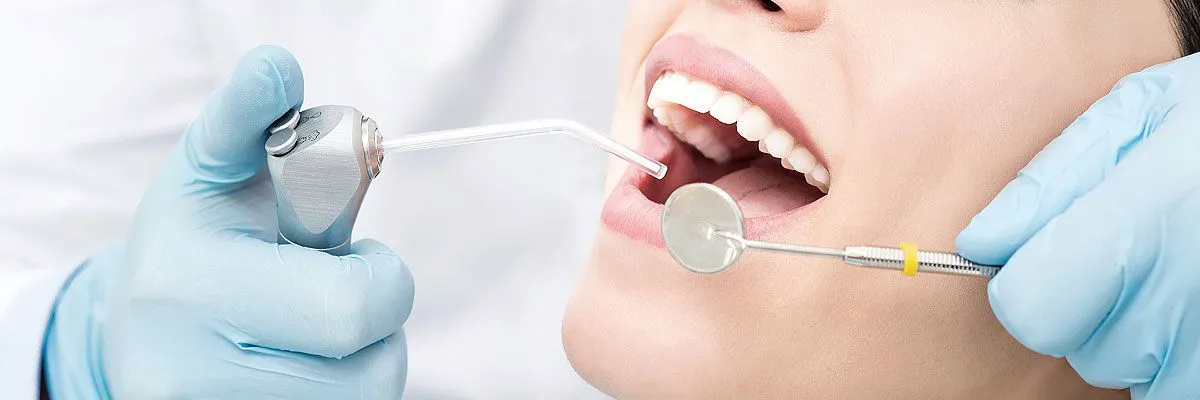

A deep dental cleaning, also called scaling and root planing, treats gum disease by cleaning below the gum line, where a regular cleaning cannot reach. If you have been told you have deep pockets, bleeding gums or tartar under the gums, this is usually the first and most effective treatment. At ConfiDental we offer deep dental cleanings in Beverly Hills under local anesthetic, one section of the mouth at a time, so the visit is comfortable and the work is thorough.
The goal is not only cleaner teeth. It is to remove the bacteria driving the infection so your gums can calm down, tighten and stop pulling away from the teeth.
What is a deep dental cleaning?
A routine cleaning removes plaque and tartar from the visible surfaces of the teeth and just at the gum line. A deep cleaning goes further, into the pockets that form between the gum and the root when gum disease sets in. It has two parts:
- Scaling removes hardened tartar (calculus), plaque and bacterial deposits from the root surfaces inside each pocket.
- Root planing smooths those root surfaces, taking away the rough spots bacteria cling to, so the gum has a clean surface to heal against.
Deep cleaning, scaling and root planing, and periodontal cleaning all describe the same procedure. You can read a longer explanation in our article on scaling and root planing.
Why tartar below the gums matters
Plaque that is not removed hardens into tartar within days. Once it sits below the gum line, brushing and flossing cannot reach it. Your immune system responds to the bacteria with inflammation, and over time that inflammation breaks down the gum attachment and the bone that holds your teeth.
That is how gingivitis becomes periodontitis. The pockets get deeper, collect more bacteria, and the cycle feeds itself. A deep cleaning interrupts it by removing the deposits and giving the tissue a chance to reattach. Caught early, it can prevent the need for gum surgery, bone grafting or, in advanced cases, losing teeth.
Signs you may need a deep cleaning
Gum disease is often painless, so people are surprised when they hear the diagnosis. Common signs include:
- Gums that bleed when you brush or floss
- Red, puffy or tender gums
- Bad breath or a bad taste that keeps coming back
- Gums that look like they are shrinking, or teeth that look longer
- Teeth that feel loose or have started to shift
- Tartar you can see or feel along the gum line
None of these alone confirms the diagnosis. We measure the pocket depth around every tooth and check your X-rays for bone loss. Healthy pockets are shallow. When we find deeper pockets with bleeding and tartar on the roots, a regular cleaning is no longer enough. If you are unsure where you stand, our page on gum disease explains the stages.
Deep dental cleanings in Beverly Hills: how treatment works
- Evaluation We measure your pockets, review X-rays and show you what we see, so the recommendation makes sense to you.
- A written plan You get an itemized plan with the number of quadrants, the cost and your estimated insurance coverage before anything is scheduled.
- Numbing We numb the area we are treating with local anesthetic. For very sensitive patients, a topical gel goes on first.
- Scaling and root planing We use a combination of ultrasonic instruments and fine hand instruments to clean each root surface carefully.
- Rinse and review We flush the pockets, check the area and go over aftercare before you leave.
Most patients have the mouth treated in two to four visits, one or two quadrants at a time. That keeps each appointment to a reasonable length and lets you go back to work or home with only part of your mouth numb. Where it fits your case, we may discuss laser gum therapy alongside the cleaning; you can read about it on our laser gum therapy page.
Does a deep cleaning hurt?
With proper numbing, the procedure itself should not hurt. You will feel pressure and vibration, and you will hear the instruments, but not sharp pain. We check in often and pause whenever you need a break.
Afterward, it is normal for the gums to feel tender for a day or two and for teeth to be more sensitive to cold for a week or so. Over-the-counter pain relievers are usually enough. If sensitivity lingers, a sensitivity toothpaste helps, and we can apply a desensitizing treatment at your follow-up.
Aftercare: the first week
- Wait until the numbness wears off before eating, so you do not bite your cheek or tongue.
- Stick to softer foods for the first day and avoid very hot, spicy or crunchy foods.
- Rinse gently with warm salt water two or three times a day for a few days.
- Keep brushing twice a day with a soft brush, and floss gently. Cleaning the area helps it heal.
- Avoid smoking, which slows gum healing noticeably.
Some light bleeding for a day is expected. Swelling that gets worse, fever or pain that builds after day three is not, and you should call us.
Results: what changes after treatment
Within a few weeks, most patients notice firmer, pinker gums and far less bleeding. Breath often improves. At a re-evaluation visit about four to six weeks later, we measure the pockets again. In many cases they are shallower because the inflamed tissue has shrunk and tightened.
A deep cleaning treats the infection, but it does not make you immune to it. Gum disease is a chronic condition that comes back if the bacteria are allowed to rebuild. That is why we usually follow treatment with periodontal maintenance visits every three to four months, which reach deeper than a standard cleaning. Our article on whether regular cleanings can prevent gum disease covers the long-term side.
Risks and alternatives
Scaling and root planing is a routine, low-risk treatment, but it does have side effects. Sensitivity to cold for a week or two is the most common. As swollen gums calm down and tighten, they can sit a little lower on the teeth, so some gaps between teeth may look slightly bigger. Rarely, an infection flares up afterward, which is why we ask you to call if pain or swelling builds after the third day.
Results vary with how deep the pockets were, smoking, diabetes and daily cleaning at home. Pockets that are still deep at the re-evaluation may need laser-assisted treatment or a periodontist. The alternative to a deep cleaning is not a regular cleaning, which cannot reach tartar below the gums. It is leaving the infection in place, and periodontitis usually keeps progressing when it is left alone.
Deep dental cleaning cost in Beverly Hills
The cost depends on how many quadrants need treatment, how much buildup there is, how deep the pockets are and whether laser treatment is added. These are the typical ranges at our office:
| Service | Typical cost range | Insurance coverage |
|---|---|---|
| Standard dental cleaning (prophylaxis) | $100 to $300 | Usually fully covered twice per year |
| Scaling and root planing (per quadrant) | $300 to $600 | Covered under periodontal benefit with gum disease diagnosis |
| Full mouth deep cleaning (4 quadrants) | $1,000 to $2,500 | Periodontal benefit typically covers 50 to 80 percent |
| Laser-enhanced deep cleaning | $200 to $400 additional per session | Coverage varies. Some plans include under periodontal benefit |
| Periodontal maintenance visit | $150 to $350 | Often covered under preventive or periodontal benefit |
Most plans with a periodontal benefit cover a meaningful share of scaling and root planing when pocket measurements and X-rays document the diagnosis. We check your coverage and give you an out-of-pocket estimate in writing before treatment. You can learn more on our dental insurance page, and CareCredit financing is available through our payment options.
Who performs your treatment
Dr. Liyan Massaband leads gum care at ConfiDental. She brings a prevention-minded approach to periodontal treatment: explain the problem clearly, treat it thoroughly, then help you keep it under control.
Patients come to our office on Brighton Way from Beverly Hills, Beverlywood and West Hollywood. We are open Monday to Thursday 9 to 5 and Friday 9 to 4. If you have been told you need a deep cleaning, or you simply want a second opinion, call (310) 858-9212 or request a gum evaluation online.