
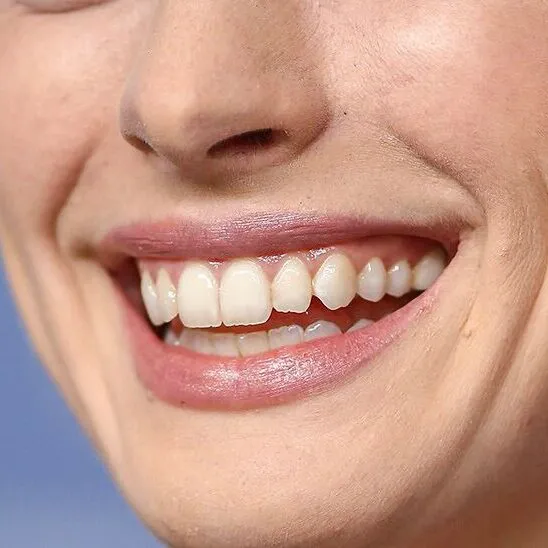

Crown lengthening is a minor gum procedure that exposes more of a tooth. It is used for two reasons. The first is practical: when a tooth has broken or decayed near or below the gum, there may not be enough tooth showing to hold a new crown securely. The second is cosmetic: it can even out a gummy smile when the gum and bone sit too low on the teeth. At ConfiDental, crown lengthening is planned as part of your overall treatment, so the gum line and the final crown or veneer are designed together.
What is crown lengthening?
Every tooth needs a band of healthy gum and a little space between the edge of a restoration and the bone underneath. Dentists call this the biologic width. When a crown edge sits too close to the bone, the gum around it tends to stay inflamed, bleed easily and may recede unevenly.
Crown lengthening gently reshapes the gum, and where necessary a small amount of bone, to move that boundary up. The result is more tooth to work with and a healthy margin for the restoration. It is different from gum contouring, which removes gum tissue only and does not touch the bone.
When is it needed?
We may recommend crown lengthening when:
- A tooth has broken off at or below the gum line
- Decay extends under the gum, so the edge of a crown would sit too deep
- An old crown keeps failing because there is not enough tooth to grip
- A tooth looks short because gum and bone cover too much of it
- The gum line is uneven and needs to be leveled before veneers or crowns
Are you a good candidate?
The tooth has to be worth saving. That means a sound root, enough length of root in the bone and no untreatable infection. If a root canal is needed, it is often done first. Healthy gums elsewhere in the mouth also matter, and active gum disease is treated before any surgery.
If there is too little root left to support a crown after lengthening, replacing the tooth with an implant can be the more predictable choice. We will lay out both paths and their costs so you can compare.
The procedure, step by step
- Assessment X-rays, and 3D imaging when it changes the plan, show how far the damage extends and where the bone sits. We measure the gum around the tooth.
- Numbing The area is fully numbed with local anesthetic.
- Reshaping The gum is gently moved back and, if needed, a small amount of bone is smoothed and recontoured to create the right space.
- Closing The gum is repositioned at its new level and secured, sometimes with a few small stitches.
- Temporary If the tooth is broken, a temporary crown can protect it while the tissue heals.
A single tooth usually takes around an hour. Treating several teeth for a cosmetic result takes longer.
Recovery and healing time
Expect some tenderness and mild swelling for a few days. Over-the-counter pain relief usually manages it. Eat soft food on the other side, avoid very hot food on the first day and brush the area gently as instructed. If stitches were placed, they come out at a short follow-up visit.
Initial healing takes one to two weeks, but the gum keeps settling for longer. Before the final restoration we typically allow about six to eight weeks of healing, so the gum line is stable and the new crown edge sits exactly where it should. On front teeth, where the look matters most, we may wait a little longer.
Crown lengthening cost and insurance
The cost depends on how many teeth are treated and whether bone reshaping is needed. You receive a written, itemized estimate that includes the crown or other restoration that follows, so you see the full picture before you decide.
When crown lengthening is needed to save a broken or decayed tooth, dental insurance often covers part of it. When it is purely cosmetic, coverage is less likely. We welcome PPO plans from major insurers and check your benefits ahead of time. See our payment options page for financing.
Risks and alternatives
Crown lengthening is a routine procedure with a good track record, but it carries some risks:
- Tenderness, swelling and minor bleeding in the first days
- Temporary sensitivity on the newly exposed root surface
- The treated tooth can look slightly longer than its neighbors, which is why front teeth are planned with care
- Rarely, reduced bone support can make a tooth feel slightly looser
The alternatives depend on the reason for treatment. For a broken tooth they include orthodontic extrusion, which slowly pulls the tooth down into a better position, or removing the tooth and replacing it with a dental implant. For a gummy smile they include gum contouring alone, therapeutic BOTOX or no treatment at all.
How it fits into your treatment
Crown lengthening is rarely an end in itself. It is the step that makes a lasting porcelain crown possible, or that sets the frame for veneers in a smile makeover. Planning the gum work and the final restoration at the same time is what gives a natural, even result.
Your dentist for crown lengthening
Treatment is planned by Dr. Liyan Massaband, who has more than 15 years of experience and has completed over 1,500 implant procedures. That background in both saving teeth and replacing them means you get a straight answer about which option will last longer for you.
Book a consultation
If you have a broken tooth, a crown that keeps coming loose or a gum line that bothers you, book an appointment. We will examine the tooth, explain the options and give you a written plan before anything is scheduled.